
NBA Prop Bets for Beginners in the UK
 Available in US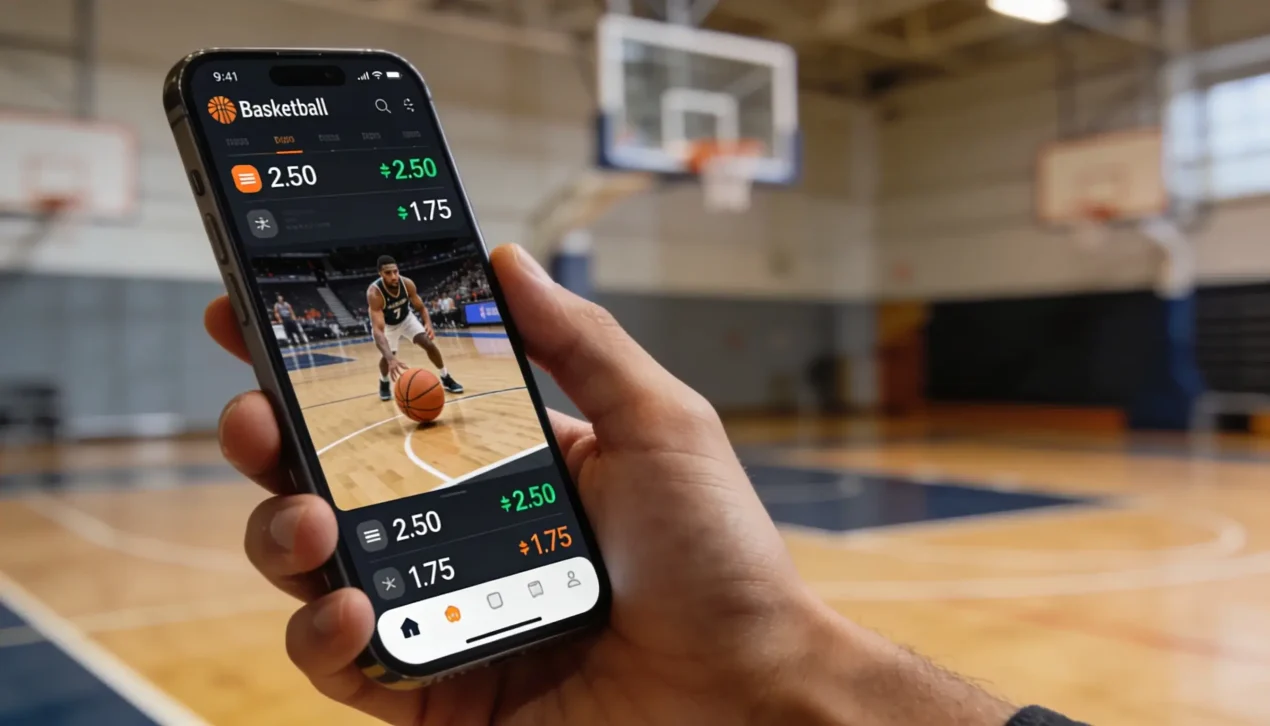
Beginner Prop Strategies: The Safest Entry Points for New UK NBA Punters
When I first discovered NBA prop bets, I had already spent two frustrating years trying to beat the spread. Predicting whether a team would win by more or fewer than 6.5 points felt like guessing — I was analysing team-level dynamics that I barely understood and competing against sharps who had been doing it for decades. Then a friend suggested I try player props, and within a month the game made sense in a way it never had before. Instead of predicting the behaviour of 10 players interacting on a court, I was predicting the output of one player whose stats I could study in granular detail. If you come across unfamiliar terminology while browsing the sportsbooks, refer to our comprehensive NBA prop betting glossary for quick definitions.
Player props now represent 25-30% of all basketball wagering handle, and the growth is driven largely by new bettors finding this market more accessible and more engaging than traditional spreads and moneylines. For UK punters, props also solve a practical problem: you do not need to understand the complexities of American point spreads or handicap betting to engage with “will this player score more or fewer than 22.5 points?” The concept is instantly clear. Around 10% of the UK population bets on sports online, and player props are increasingly part of that activity.
But accessibility is not the same as simplicity. The prop market has layers of complexity that reward study and punish impulse, and the mistakes beginners make are predictable enough that I can list them before you make them.
The Three Simplest Prop Markets to Start With
Not all prop markets are created equal in terms of beginner-friendliness. I recommend new punters start with exactly three categories and ignore everything else until they have built competence and a track record.
The first and most natural market is points over/under. Points are the stat you already understand from watching the game, the number that is displayed prominently on every broadcast and every stat sheet. A points prop of 22.5 means you are betting on whether the player scores 23 or more (over) or 22 or fewer (under). The data is easy to find — season averages, recent form, and matchup history are available on any free basketball stats site. Points over/under accounts for 35-40% of all player prop handle because it is the market everyone starts with, and it is the right place to start.
The second market is rebounds over/under for centres and power forwards. Rebounds are more predictable than assists or specialty stats because they are heavily determined by minutes played and positional matchup — two variables that are straightforward to research. If a centre plays 32 minutes against a team that misses a lot of shots, he is going to grab boards. The analysis is less complicated than scoring because it does not require understanding shooting efficiency or play design.
The third market is PRA — points plus rebounds plus assists combined. PRA props are forgiving for beginners because the combined nature of the stat smooths out variance. A player might score fewer points than expected but grab extra rebounds, and the PRA total still lands on the right side. The reduced volatility makes PRA an excellent training ground for learning how prop analysis works before moving to higher-variance single-stat categories.
Placing Your First NBA Prop at a UK Bookmaker: a Walkthrough
The mechanics of placing a prop bet at a UK-licensed bookmaker are straightforward, but a few details catch new punters off guard.
Start by navigating to the basketball section of your bookmaker — typically listed under “NBA” or “Basketball” in the sports menu. Select the game you want to bet on, then look for the “Player Props” or “Player Markets” tab. The layout varies between operators, but the standard structure groups props by player and then by stat category. You will see the player’s name, the stat line (e.g. Points Over/Under 22.5), and the decimal odds for each side.
UK bookmakers display odds in decimal format by default, which is the easiest format to work with. If the over is priced at 1.87, a successful £10 bet returns £18.70 (your stake multiplied by the decimal odds), for a net profit of £8.70. If the under is priced at 1.93, a successful £10 bet returns £19.30. The side with the lower decimal odds is the favourite — the outcome the bookmaker considers more likely.
Before confirming the bet, check two things. First, whether the prop includes overtime — most UK bookmakers count overtime stats toward the prop total, but this is not universal, and the house rules are listed in the terms for the market. Second, whether the player is confirmed to play. If a player is listed as “questionable” on the injury report, his props may still be available but carry additional risk: if he does not play, the bet is typically voided, but if he plays 5 minutes and exits with an injury, settlement rules vary. William Hill commands 37.83% of UK sports betting PPC traffic, and bet365 accounts for 16.2%, but both treat injury-exit scenarios differently, so check the specific rules at your operator.
Five Beginner Mistakes and How to Avoid Them
The first mistake is betting on star players exclusively. New punters are drawn to the biggest names because they recognise them, but star players receive the most market attention and the tightest pricing. The edge is often larger on secondary players whose props attract less scrutiny.
The second mistake is ignoring the vig. A prop priced at 1.87 on both sides carries a margin of roughly 6.5%. That margin is the house edge you are paying on every bet, and if you do not find a genuine analytical advantage, the margin will grind your bankroll down over time. Every bet should start with the question: is my edge large enough to overcome the vig?
The third mistake is building same-game parlays too early. SGPs are entertaining and the potential payouts are appealing, but the margin is 15-25% above the cost of individual bets. That extra margin is devastating for a beginner who has not yet developed the ability to identify edge consistently. Start with single bets. Build a track record. Demonstrate to yourself that you can find positive expected value on individual props before combining them into parlays.
The fourth mistake is chasing losses. A three-bet losing streak does not mean your analysis is wrong — it means short-term variance happened, which it will. Tim Miller, Executive Director of the UK Gambling Commission, has emphasised the importance of identifying vulnerable bettors before harm occurs, and loss-chasing is one of the clearest warning signs. Set a loss limit before each session and honour it without exception. Start your journey with confidence by bookmarking the best site for NBA props tailored for British punters.
The fifth mistake is skipping the foundational education on how prop markets work. Understanding the mechanics — how lines are set, how vig is calculated, how overtime and injury rules affect settlement — is prerequisite knowledge, not optional reading. Thirty minutes spent learning the basics saves hundreds of pounds in avoidable errors.
What is the minimum stake for an NBA prop bet at UK bookmakers?
Most UK-licensed bookmakers set a minimum stake between £0.10 and £1.00 for player prop bets, though the exact minimum varies by operator and by the specific market. Some smaller or less liquid prop markets may have higher minimums. Check your bookmaker’s terms for the minimum stake on basketball player propositions, as it is sometimes different from the minimum on football or horse racing markets.
Should beginners start with single props or same-game parlays?
Single props, without question. Same-game parlays carry a 15-25% margin premium above individual bets, and that extra cost makes them significantly harder to beat. Beginners should focus on placing single prop bets, tracking their results, and developing the analytical skills to identify genuine value before introducing the complexity and higher cost of parlays. Once you have a documented track record of profitable single-prop betting, SGPs become a reasonable addition to your approach.
This material was created by the PROPSWISH team.
Related posts
NBA Prop Bets vs Moneyline and Spread: a Side-by-Side for UK Punters

NBA Race to X Props and Game-Level Propositions: Beyond Player Markets